Column · @roofingco-y-i-y-y-3-6-2
Re-Roofing Rental Properties in Winnipeg: A Landlord’s Guide
Snow that bites, sun that bakes, and wind that loves to test your insurance deductible. Welcome to Winnipeg roof ownership. If you hold rental property in this city, your roof is not just shingles and nails. It is a risk-control device, a tenant satisfaction lever, and a line item that can make or break your cash flow for a year. Handle it well and you will sleep through a January cold snap. Handle it poorly and you will be placing buckets under a bedroom light fixture while your tenant texts in all caps.
I have overseen enough re-roofs here to know what goes right, what gets missed, and what gets expensive. Here is a practical map, with the judgment calls spelled out, the seasons respected, and the numbers grounded in how Winnipeg actually works.
The Winnipeg backdrop: climate, building stock, and reality
Winnipeg’s commercial roofing Winnipeg climate gives roofs a workout. You get temperature swings that move from minus 30 to plus 30 within months. That expansion and contraction tests fasteners and brittle shingles. Add wind that drives snow sideways and you have perfect conditions for ice damming if your attic insulation or ventilation is off. Most single family rentals and small plexes in older neighbourhoods sit under conventional truss or rafter roofs pitched between 4:12 and 8:12, sheathed in boards or plywood, and finished with asphalt shingles. Then there are the low-slope additions, back porches, and 60s walk-ups with flat roofs that demand membranes, drains, and a maintenance plan, not wishful thinking.
On the legal and practical side, you are balancing tenant comfort, operational downtime, and capital planning. The city’s re-roofing rules are straightforward compared to structural work. In many cases reroofing like-for-like does not trigger a building permit, but verify with the City of Winnipeg before you start, especially if you are altering structural elements, adding skylights, or changing the roofline. For rentals, loop in Manitoba’s Residential Tenancies Branch guidance for notice expectations and access. Tenants do not love early morning nail guns or tar kettles below their window. Give them respect, time, and clear expectations, and your phone will stay quieter.
How to know it is truly time to replace
You can talk yourself into patching for years. Winnipeg rewards disciplined inspection and punishes optimism. Here is the short version of the decision-making that has kept my units dry.
Look first at age and exposure. Standard architectural asphalt shingles rated as “lifetime” often show their true colors by year 18 to 25 here, depending on ventilation and attic temperature. South and west faces age faster. If you see granules collecting at the downspouts like pepper, tabs curling, or cracks that look like alligator skin, the mat is drying out. You can spot-nail and cement isolated tabs, but when the adhesive has failed across entire slopes, replacement is coming.
Stains on top-floor ceilings or along exterior walls after a thaw are the classic sign. Before you blame the shingles, check ventilation and ice damming risk. If the attic sheathing is frosted mid-winter and rains inside during a warm snap, that is moisture trapped by poor ventilation or insufficient air sealing, not necessarily a shingle defect. Still, if you are re-roofing, pair it with ventilation fixes. Replacing shingles without correcting heat and moisture is the most expensive bandage you will buy.
Then check flashings. Chimney step flashing and counterflashing, skylight curbs, and plumbing stacks cause a high percentage of leaks. If your roofer suggests reusing tired flashings to save a few dollars, keep your wallet in your pocket a little longer and insist on new metal and proper integration with underlayment. The cheapest re-roof in Winnipeg is the one you do once.
Finally, consider roof-over layers. Some older homes already carry two layers of shingles. Adding a third is a bad idea for weight and warranty reasons. You want a full tear-off to inspect sheathing, correct soft spots, and install ice and water membrane properly.
Material choices, but with landlord math
Not all roofs are sloped shingle. The right choice depends on pitch, building type, and how you run the asset. If your property is a cash-flow play with a defined hold period, value engineering matters. If it is a long-term keeper in an area you plan to reinvest in, opt for durability and lower service visits.
Here is a practical comparison for Winnipeg rentals that hits the marks most owners care about.
- Architectural asphalt shingles: Good balance of cost and lifespan. Common brands perform similarly when installed right. Expect 18 to 25 years in Winnipeg with proper ventilation and ice membrane. The look suits character homes and 70s bungalows. Pair with synthetic underlayment, drip edge, and ridge vent. Use six nails per shingle on steeper or wind-exposed slopes.
- Metal roofing, standing seam: High upfront cost but long lifespan and excellent snow shedding. On heated, occupied spaces, include a sound underlayment and attention to condensation control. Tenants notice snow avalanching. Use snow guards above entrances. Strong pick for longer holds or where access for future replacements is difficult.
- SBS-modified bitumen for low-slope: Bread and butter for small apartment roofs and rear additions. Torch-applied or cold-applied systems both live here. Two-ply systems with proper drainage, crickets, and edge metal are reliable. Schedule spring and fall inspections to keep drains clear.
- Single-ply membranes, TPO or EPDM: More common on larger footprints. Good performance if details are right. Pay attention to tie-ins at parapets and penetrations. On smaller walk-up buildings, SBS and single-ply both work; choose the system your contractor self-performs well.
- Cedar or specialty products: Pretty, pricey, and unforgiving of shortcut ventilation. Rarely pencil out for rentals unless you are preserving heritage appeal that commands a premium and you have the maintenance appetite.
What it costs, Winnipeg edition
The market is fluid, so ranges beat promises. For typical Winnipeg roofing quotes seen last season and into this year on rentals:
- Architectural shingles on a straightforward 1,200 to 1,600 square foot roof: roughly CAD 4 to 7 per square foot for a full tear-off, standard flashings, synthetic underlayment, ice membrane at eaves and valleys, vents, and clean-up. Steep pitches, many dormers, or board sheathing that needs overlay can push toward the top of the range.
- Metal standing seam: CAD 10 to 16 per square foot, depending on profile, gauge, and complexity. If your fascia and gutters need redesign to manage sliding snow, add for that.
- Low-slope SBS two-ply: CAD 8 to 14 per square foot. Drains, tapered insulation, and parapet rebuilds add quickly but often pay back by ending ponding and chronic leaks.
A note on board sheathing. Many older Winnipeg homes have 1 by planks with gaps, which perform fine with a modern synthetic underlayment. If the planks are rotten or wildly spaced, installing new plywood overlay at 3/8 or 1/2 inch will add material and labor. It is money well spent, especially on windward faces.
If your spreadsheet likes certainty, bake a 10 to 15 percent contingency into your roofing CAPEX. Every second tear-off on pre-1960s houses reveals something unexpected around a chimney or at a valley.
Timing it right and keeping tenants happy
Re-roofing is construction in your tenants’ lives. Noise, a driveway bin, and workers appearing at 7:30 a.m. Are not small disruptions. The sweet spot for sloped shingle work runs from late April through October, when adhesives seal faster and crews move efficiently. That said, experienced outfits can re-roof in winter here. They hand-seal shingles, stage materials to avoid brittleness, and work short days around daylight and temperature. Expect higher labor costs and a slower pace. It is fine for emergencies, not ideal for planned work.
Your communication plan matters as much as your contract. The best tip I ever got from a property manager sounds simple: tell tenants what will happen, when, and how to reach someone who can fix it if there is a problem. Then do exactly that.
A short, practical checklist for rental-friendly roof work:
- Provide written notice at least a few days ahead, with dates, daily start times, and estimated duration. Include a rain date.
- Assign a direct contact for the tenant during work hours and a backup after-hours number in case of an urgent leak.
- Confirm access details for attic hatches or suites if needed. Protect attics with drop sheets if insulation might get disturbed.
- Ask tenants to move vehicles and items from driveways and patios. State where the bin will sit and when it will be removed.
- Clarify quiet hours. Nail guns at dawn make enemies. Align work hours with your lease, and remind the crew.
Small gestures add up. Offer a rent credit equal to a day of parking if street parking is a pain during the job. If you must shut off a bathroom fan or power for a portion of a day, say it upfront.
The scope that prevents callbacks
When I review winnipeg roofing proposals, I look past the brand name and focus on the recipe. You want a scope that removes discretion where it hurts you later.
Ask for a complete tear-off down to decking, replacement of all flashings with new metal, drip edge at eaves and rakes, and valley treatment specified as either open metal valley or a membrane-lined closed valley. In our climate, ice and water shield should run from the eave up at least to 600 millimeters past the warm wall line. On short overhangs, that can mean two courses. Continue ice membrane in valleys and around penetrations. Use a high quality synthetic underlayment elsewhere. On slopes 4:12 and shallower, some shingle manufacturers require full coverage self-adhered membrane or specific underlayment patterns for warranty. Get that in writing.
Ventilation breaks roofs or saves them. Calculate net free ventilation area using the 1 to 300 rule as a baseline, and distribute intake and exhaust. Soffit vents combined with a ridge vent perform reliably if the house’s attic is not compartmentalized by knee walls or fire stops. On houses carved up into suites, air paths can be blocked. In those cases, add roofline vents strategically and clear baffles at the eaves. If your contractor waves away ventilation with a shrug, find one who will run the math.
Fasteners matter. Six nails per shingle is standard here when wind and cold are factors. I have watched callbacks disappear when crews stop three-nailing field shingles on steep faces. Stainless or aluminum nails are not necessary on typical asphalt jobs, but nails should penetrate through the sheathing. Ask for photos during the job. A good crew is proud to send them.
Finally, flashing details around chimneys and sidewalls distinguish a roof that lasts from one that looks fine for five years then suddenly leaks. New step flashing woven with each course and properly counterflashed into masonry beats tar smeared onto old metal every time. If your chimney cap is decrepit, rebuild it now while the access is easy.
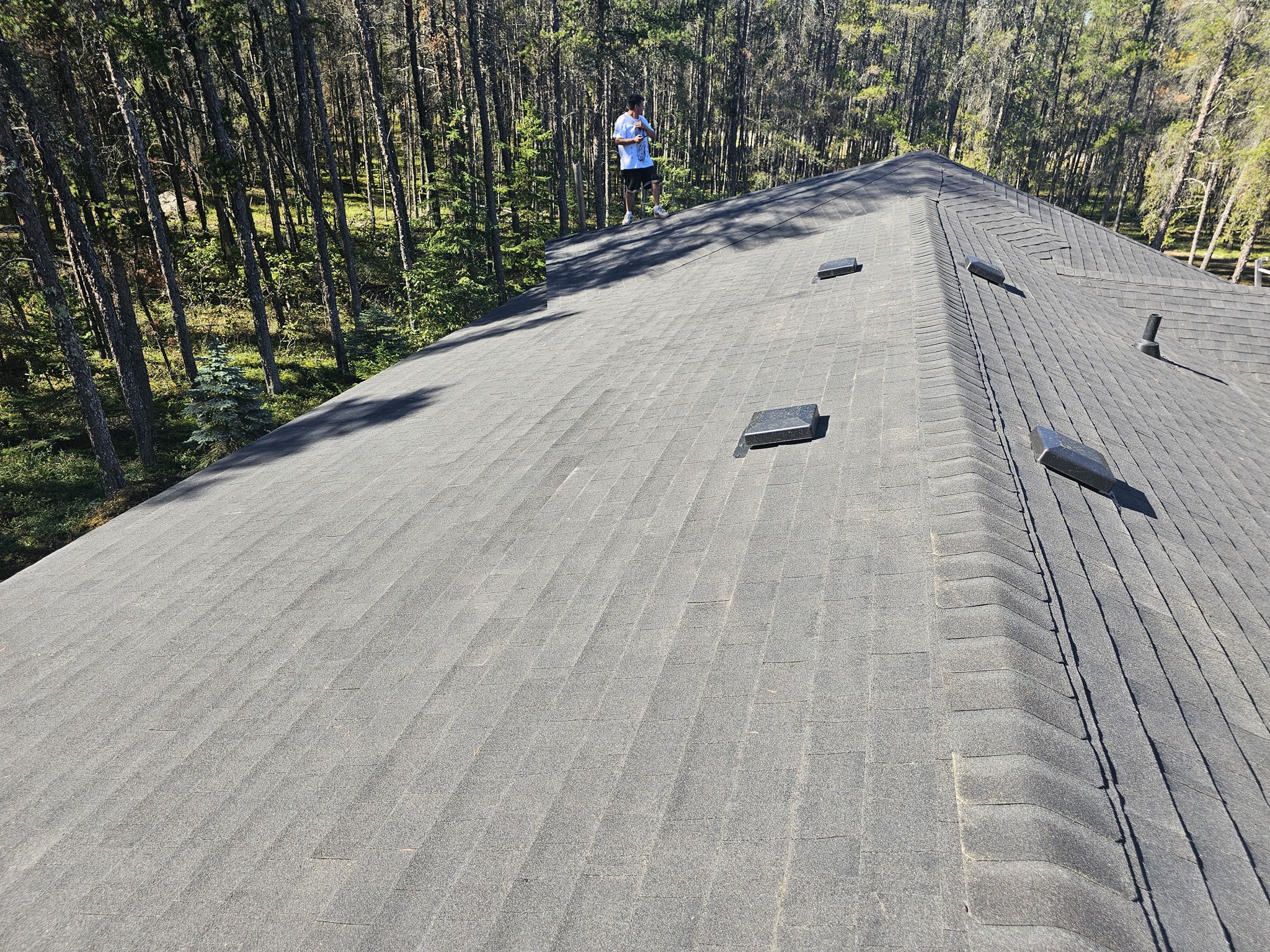
Flat roofs on rentals: drains, details, discipline
Small apartment blocks and attached garages with low-slope decks show up all over the city. They are not problem roofs if you respect water’s talent for finding weakness. For SBS-modified bitumen, require a two-ply system with base and cap sheets, proper primers, and manufacturer-approved flashing at parapets and penetrations. I prefer granulated cap sheets for UV and foot traffic. Add crickets behind large HVAC units and at the high side of drains to push water to the right place. If the interior shows chronic staining a few feet from the exterior wall, suspect a saturated insulation layer near a cold edge. Tapered insulation can solve ponding and warming that edge in winter reduces ice build-up.
Drains are not optional maintenance. Schedule someone to clear them spring and fall, and after windstorms that dump leaves. A stray plastic bag can undo your capital project in a single storm.
Energy, ice dams, and the attic you forgot about
You cannot discuss re-roofing here without talking ice dams. They form when heated air from the house warms the underside of the roof, snow melts, water runs to the cold eaves, and refreezes into a dam. Water then backs up under shingles and into the house. Your shield against that is not just stick-on membrane. It is air sealing the attic, sufficient insulation, and balanced ventilation.
If you can, tie an attic upgrade into the re-roof. Once the old shingles are off, add baffles at the eaves to protect the insulation and keep the intake path open. Inside, seal top plates, plumbing stacks, and light penetrations with foam or caulk. Then bring attic insulation to a target consistent with current best practice. Many Winnipeg rentals still sit at R-20 to R-30. Bumping to R-50 or R-60 with blown cellulose or fiberglass improves comfort and slows melt. Your tenants will not call to thank you for baffles. They will just stop texting about water in February.
Bathroom fans are sleeper culprits. Vent them to the exterior through a dedicated hood, not into the soffit cavity where moist air re-enters. Tie the hood into the new roof with proper flashing, and use insulated duct to prevent condensation.
Picking the contractor you want to call again
The winnipeg roofing market has crews that do superb work and crews that move fast, cheap, and loose. Both have their place. As a landlord, your ideal partner is the one who prices realistically, explains choices, and hits the job dates. Vet three quotes, and compare scope line by line.
I ask for liability insurance and workers’ compensation clearances, references from recent rental projects, and photos showing details I care about. A roofer who gets grumpy when you ask about ice membrane coverage is telling you something. A roofer who points out your attic ventilation shortfalls and suggests a plan is gold.
On scheduling, pin down a window and ask how they handle weather delays. Winnipeg storms can blow a plan apart. A good crew carries tarps, stages by slope, and will not strip more roof than they can dry-in the same day. If they run tear-offs late into the afternoon with storms building, that is your anxiety talking tomorrow.
Paperwork, warranties, and the parts you will actually use
Manufacturer warranties look long on paper and get very short when you miss the fine print. What you rely on in reality is the workmanship warranty. Five years is common, ten years shows confidence. You want it in writing with the company name you hired, not a numbered company that will be dissolved by next spring. If the roofer is certified by a shingle manufacturer and can register an enhanced warranty, that can be worth the administrative effort. Just remember that improper ventilation or overlaid layers can void it.
Keep a record folder for the property that includes shingle brand and color, underlayment types, membrane coverage diagram, vent counts and locations, and photos of flashing installations. This helps the next person who touches the roof, which might be you in ten years with a hazy memory.
Cash flow, depreciation, and sensible reserves
Roofing is lumpy CAPEX. Smooth it by planning. I segment each building into a reserve schedule. If a house has a 1,400 square foot shingle roof and I expect a CAD 9,000 to 11,000 replacement in 8 years, I fund CAD 100 to 120 per month into a sinking account, then leave it alone. That habit beats juggling credit lines when a July hailstorm speeds up winnipeg roofing your timeline. If you own several similar properties, staggering replacements across seasons reduces stress when the market tightens and prices jump.
For accounting, roofing often lands on the capital side with depreciation schedules. There are tax nuances, and rules change. Talk to your accountant about the current treatment in Manitoba and how to handle partial replacements, such as redoing just a rear low-slope section now and the main house later.
Winter work, emergencies, and when to wait
Winnipeg does not shut down for winter. Roofing slows but does not stop. If you have an active leak in January, do not wait. A controlled winter repair or a targeted section replacement with hand-sealed shingles can buy you time until spring. For planned full tear-offs, I prefer to wait for consistent daytime highs near or above freezing. Adhesives set faster, materials flex without cracking, and your tenants endure fewer days of noise.
If you must roof in the cold, budget extra for hand-sealing, adhesive, and a slower pace. Confirm the manufacturer’s cold-weather installation guidelines. Some products should not be installed below certain temperatures. Torching SBS in bitter cold is possible but demands experience and careful substrate prep.
Gutters, grading, and taking water the last 10 meters
Sharp new shingles above a gutter that dumps water beside a foundation is not victory. While the crew is there, inspect and correct eavestrough pitch, downspout extensions, and splash pads. Winnipeg clay soils move. Keep water three to six feet away from the foundation, minimum. Ask the crew to install snow guards on metal roofs above entrances so you do not create a curtain of ice at the front steps. If you are replacing fascia or soffit, this is the time to open intake paths and add continuous vented soffit on houses that were starved for air.
A quick story from St. Boniface
A duplex I manage in St. Boniface taught me humility. The upper suite’s ceiling stained every March. Two roofers had re-cemented a chimney flashing and shrugged. We finally scheduled a full tear-off in May. The crew found decent shingles but rotten deck boards three feet out from the chimney, trapped under a beautiful layer of old felt paper and tar. The real villain was the attic, where a bath fan vented into the soffit, reheating eave snow like a space heater pointed at the ice line. We replaced the decking, re-flashed, extended the fan to a roof hood, and added intake baffles. The next spring, the upstairs tenant messaged once, to ask the shingle color so she could repaint the door to match. That is the sort of silence you pay for.
When to consider metal or a higher-spec solution
Metal roofing earns its keep on several Winnipeg rental scenarios. If you own a long, narrow house that catches drifting snow on one face, metal can shed loads that stress trusses. Pair it with snow retention above doors and pedestrian paths. If access is tough or you have tall trees that drop cones and branches, the durability pays back. On character homes where appearance matters for rents, modern metal profiles can be subtle and handsome if the budget allows. The trade-off is upfront cost and the need to control rooftop avalanches. Your insurance broker might have an opinion, especially if a sliding sheet of ice once flattened a car mirror in your driveway.
For flat roofs on small walk-ups that have been patched for years, consider a full membrane replacement with tapered insulation. The initial quote may sting, but ending chronic leak calls, ceiling repairs, and tenant credits usually justifies it inside a few winters. If you expect to sell in two to three years, a documented new membrane with warranty is a clean line on a listing sheet.
Working with the seasons, not against them
Treat the roof like a seasonal system. In spring, send someone up to scan for missing shingles, lifted ridge caps, and damage around vents, then clear gutters and check downspouts. In summer, when crews are less swamped right after a storm, you can book work at reasonable lead times. In fall, clear leaves, check drain strainers on flats, and verify heat cables if you use them. In winter, a quick attic check with a flashlight after the first deep cold snap can reveal frost that hints at ventilation issues. Quiet diligence beats emergency heroics.
How winnipeg roofing outfits add value you can feel
Local experience matters. Crews who work here know how self-seal strips behave in cool weather, how to stage materials so bundles do not freeze to the deck, and how to plan tear-offs to avoid a tarped roof during a prairie thunderstorm. They also know the quirks of neighbourhoods, like where board sheathing is almost guaranteed on pre-war houses, or which 70s builds hide foil-faced insulation that changes condensation dynamics. When you vet contractors, those details should spill out of them unprompted.
A straightforward test: ask the estimator what they do differently at eaves in Winnipeg. If they talk about extending ice membrane past the warm wall line, adding starter strip with correct overhang, and combining continuous intake with ridge exhaust, you are with a pro. If they change the subject to shingle colors, keep shopping.
The upshot for landlords
Re-roofing a rental here is not glamorous, but it is one of the cleaner capital projects you will oversee. You can scope it tightly, price it competitively, and execute it in days, not weeks. Spend your attention on details that stop callbacks and ice dams. Insist on new flashings, real ventilation, and ice membrane coverage that respects our climate. Plan around your tenants’ lives. Build a reserve so a surprise does not become a scramble.
There are few better feelings as an owner than a heavy March snow, a sharp overnight drop in temperature, and no messages on your phone. That is the dividend of a roof handled with craft and foresight, a dividend that tenants experience as a warm, dry room in a city that likes to test both.
Canadian Crafted Roofing And Renovations
314 Bond St, Winnipeg, MB R2C 1X5
+12042217663
https://cancrafted.ca/
Facebook